
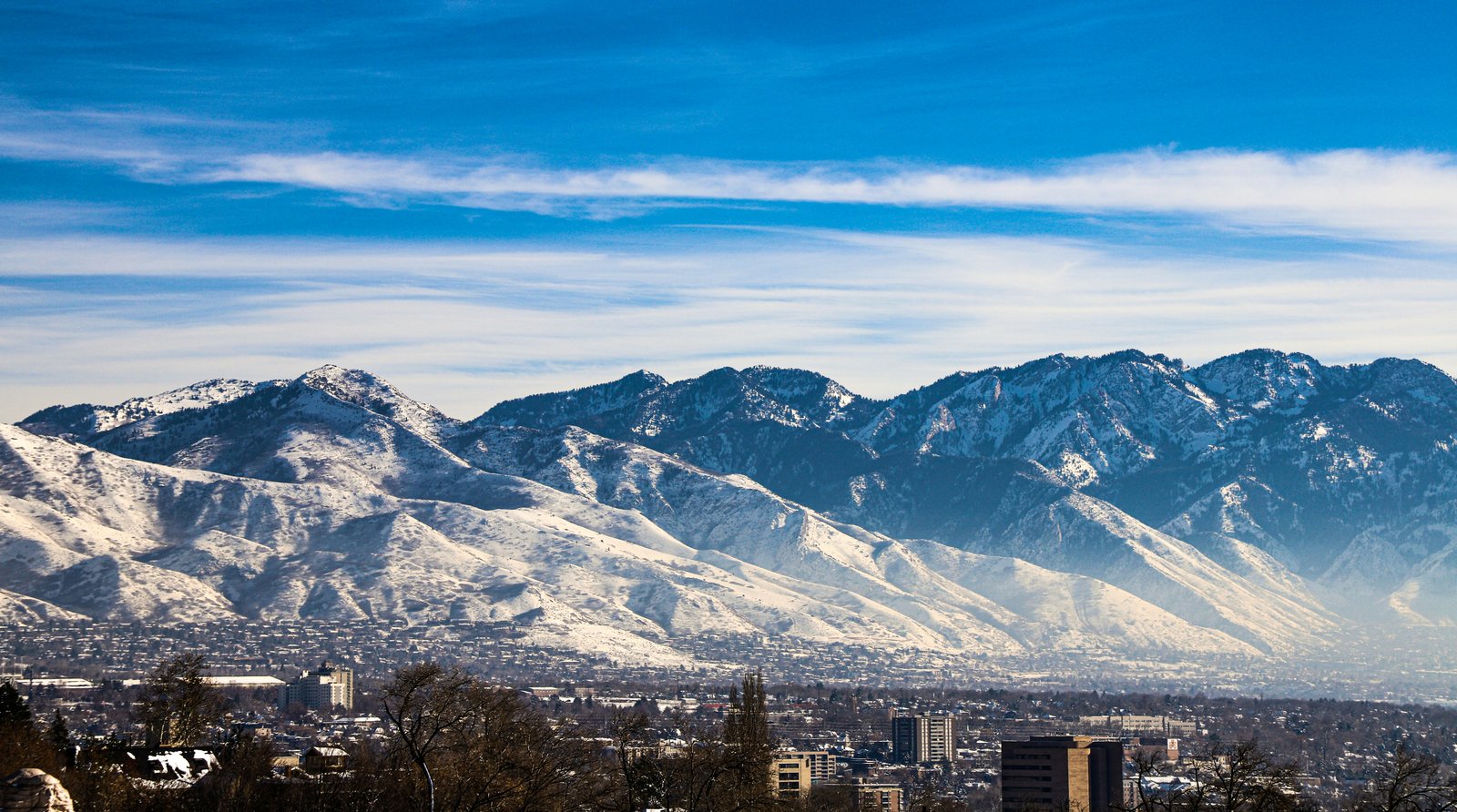
When winter inversion rolls into Salt Lake County, the Draper real estate market always splits along an invisible altitude line. On paper, citywide averages look calm and flat—yet anyone watching SunCrest versus the valley floor west of I-15 knows those two micro-markets behave like completely different cities during winter 2026–2027.
In This Scoop:
The Altitude Split Explained
Going back to the December 2025 winter benchmark tracked across Salt Lake Board of Realtors data, Draper’s overall median hovered near $825,000 while SunCrest reached roughly $868,000 (+13% year-over-year) and valley-floor listings settled near $740,000. That same elevation gap continues to define winter buyer behavior into 2026–2027 because limited ridge-top inventory rarely sits when air quality drops below.
Why Elevation Wins in Winter
Sitting near 6,000 feet above sea level, SunCrest routinely rises above Salt Lake Valley’s winter inversion lid while lower neighborhoods sit under gray haze. On days when valley Air Quality Index readings turn unhealthy, families in SunCrest often step outside to blue skies and sunshine, keeping demand resilient whenever inventory tightens.
Valley Floor Buyer Leverage
West of I-15 and along Draper’s valley floor, winter months consistently bring higher active inventory (+18% in our winter benchmark) and 60+ days on market, creating real room for buyers to negotiate. When late-autumn sellers face quiet holiday weeks, rate buydowns and closing-cost credits become far easier to secure down low than on the mountain.
Benchmark Stats: SunCrest vs. Valley Floor
The table below highlights how Draper’s winter benchmark split between SunCrest and the valley floor creates two distinct strategies heading into 2026–2027.
| Metric (Winter Benchmark) | SunCrest (Mountain) | Valley Floor (West of I-15) |
|---|---|---|
| Median Price | ~$868,000 | ~$740,000 |
| Inventory Trend | Tight supply | Rising (+18% YoY) |
| Typical Days on Market | ~68 Days | 60+ Days |
| Buyer Leverage | Competitive for view lots | Stronger room to negotiate |
Why This Matters for Draper
Understanding Draper’s elevation split helps residents and Draper City newcomers avoid misreading citywide averages in 2026–2027. Whether you prioritize quick I-15 commutes and lighted parks down low or crisp winter skies in SunCrest, both pockets maintain strong long-term stability for different lifestyles.
For more local context, see why ridge supply is permanently capped in SunCrest: 255 Acres Preserved Forever, or check out Draper’s Pickleball Courts & Open Play Guide.
Quick Local FAQ
Why does SunCrest hold higher winter demand than Draper’s valley floor?
SunCrest sits near 6,000 feet elevation above typical Salt Lake Valley inversions and has limited buildable lots, creating steady winter demand for clean air and unobstructed views.
Where do buyers usually find better winter negotiation leverage in Draper?
Neighborhoods on Draper’s valley floor—especially west of I-15—tend to carry more active winter inventory and longer days on market, opening room for concessions.
How far is SunCrest from Draper’s main valley-floor shopping and I-15?
SunCrest sits roughly a 10-to-15-minute drive up Traverse Ridge Road from 13800 South, Draper Parkway, and I-15.
Draper Elevation Split & Your Home Search
Whether you prefer mountain views on Traverse Ridge or flat, walkable streets near Bangerter Parkway, comparing active inventory side-by-side clarifies your best move. Browse current listings across Draper anytime on my local site.
See you around the neighborhood (hopefully above the inversion layer),
Terry Thompson
Your South Valley Realtor & Neighbor
1 thought on “Draper Real Estate Market: Suncrest Surges vs. Valley Cools”